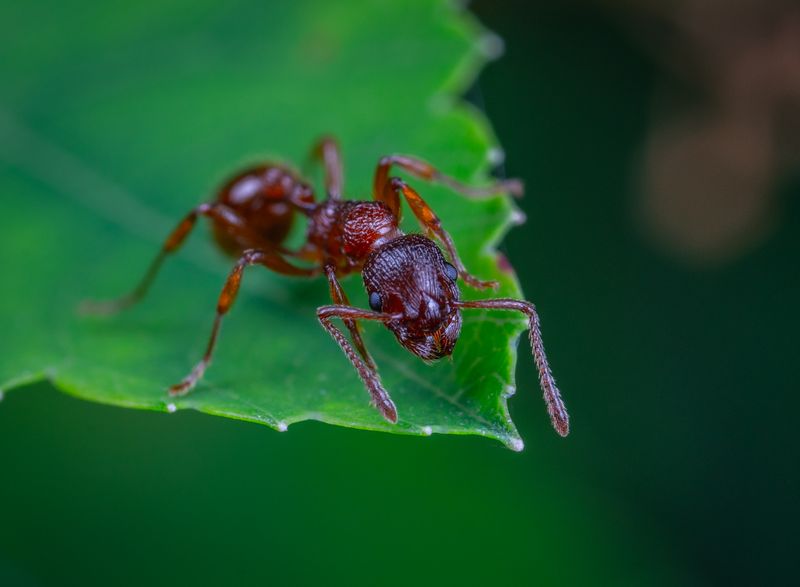
Termites cause more structural damage to Indian homes than fire and flood combined — yet most infestations go unnoticed for months. Colonies work 24/7 inside walls and under floors, and by the time damage is visible, the colony is large. These are the signs our survey teams look for first.

Sign 1: Mud tubes on walls and foundations
Subterranean termites build pencil-width mud tunnels to travel between soil and wood while staying moist. Check foundation walls, basement corners, and where pipes enter the house. Live tubes feel damp and are quickly repaired if broken — a reliable test our technicians use on every survey.
Sign 2: Hollow timber and papery paint
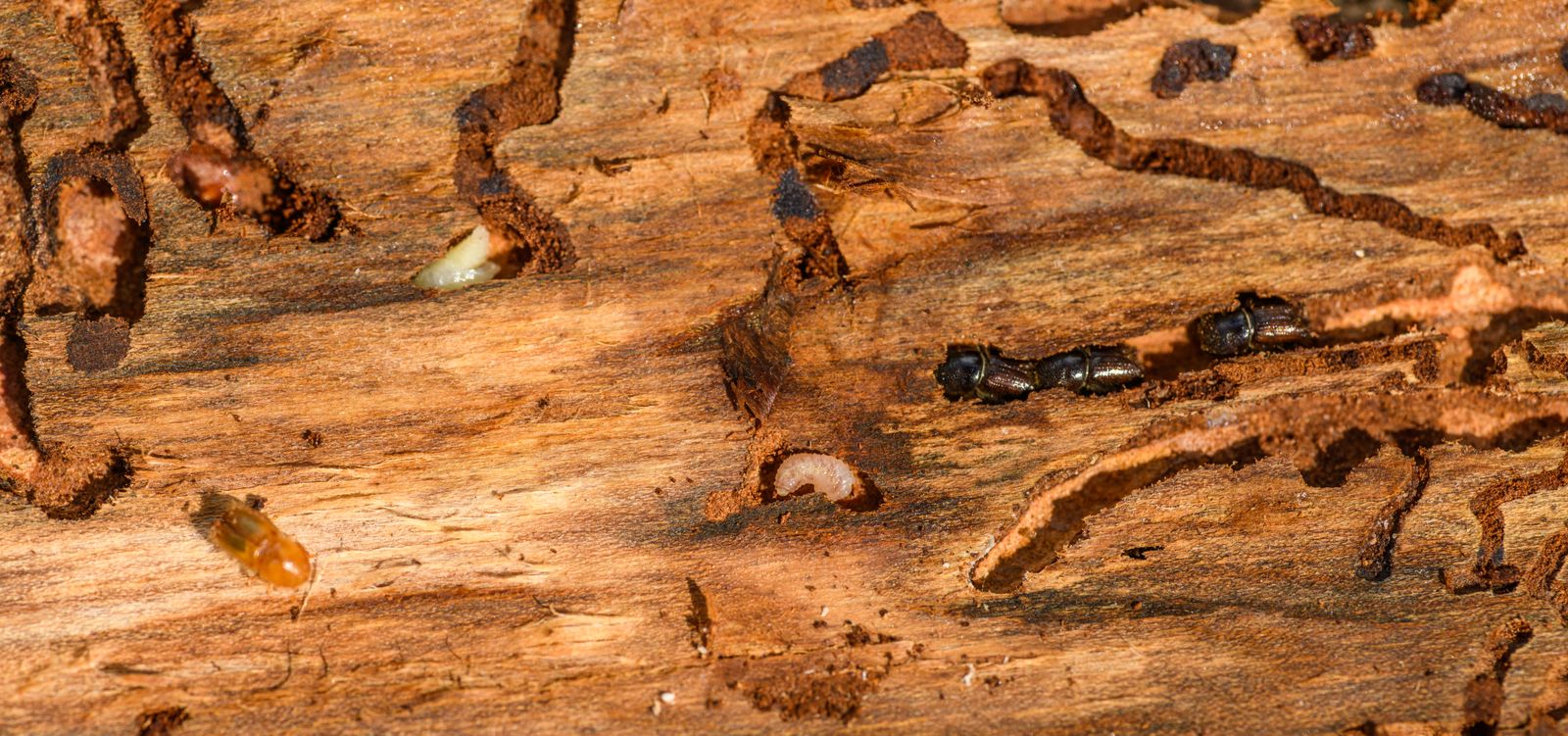
Tap skirting boards, door frames and window sills with a screwdriver handle. Solid wood rings sharp; termite-hollowed wood sounds dull and papery. Bubbling or peeling paint on woodwork often hides feeding galleries just beneath the surface.

Sign 3: Discarded wings and sticking doors
After monsoon showers, reproductive termites swarm, shed their wings near windowsills and die. Piles of identical tiny wings are a red flag. Meanwhile, moisture from feeding galleries warps timber — doors and windows that suddenly stick deserve a closer look.
- Walk your foundation line every 3 months looking for fresh mud tubes.
- Keep soil and mulch 15cm below wooden cladding and air bricks clear.
- Fix leaking outdoor taps — damp soil is a termite invitation.
- Never store firewood or cardboard against external walls.
What a professional survey covers
Our free termite survey probes all accessible timber, thermal-scans suspect walls for colony heat, maps moisture with meters, and photographs everything into a report with a fixed barrier quote. Caught early, a soil barrier and timber treatment stop the colony with minimal repair work needed.