Every Indian home, from monsoon-damp ground floors to high-rise kitchens, hosts the same usual suspects. Knowing exactly which pest you are dealing with — and what it wants — is half the battle. Here is how our technicians read the signs.
Cockroaches: the kitchen regulars
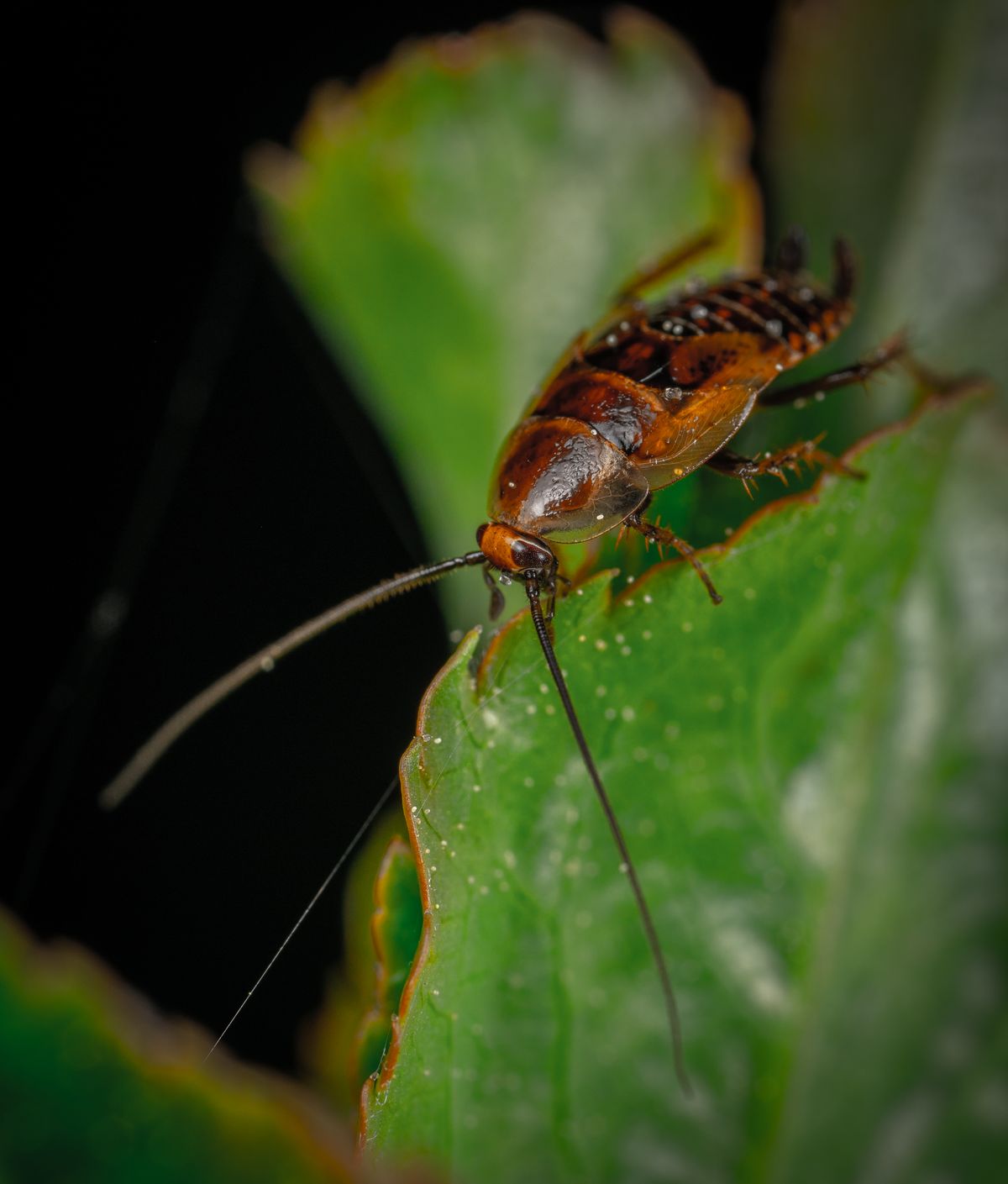
German cockroaches love the warmth behind refrigerators and inside mixer-grinder cabinets; American cockroaches arrive through drains and balconies. Pepper-like droppings, a musty oily smell and egg cases (oothecae) glued under shelves confirm them. Gel baits carried back to the harbourage collapse the colony in two to three weeks — far more reliably than contact sprays, which only scatter them.
Ants: follow the trail backwards
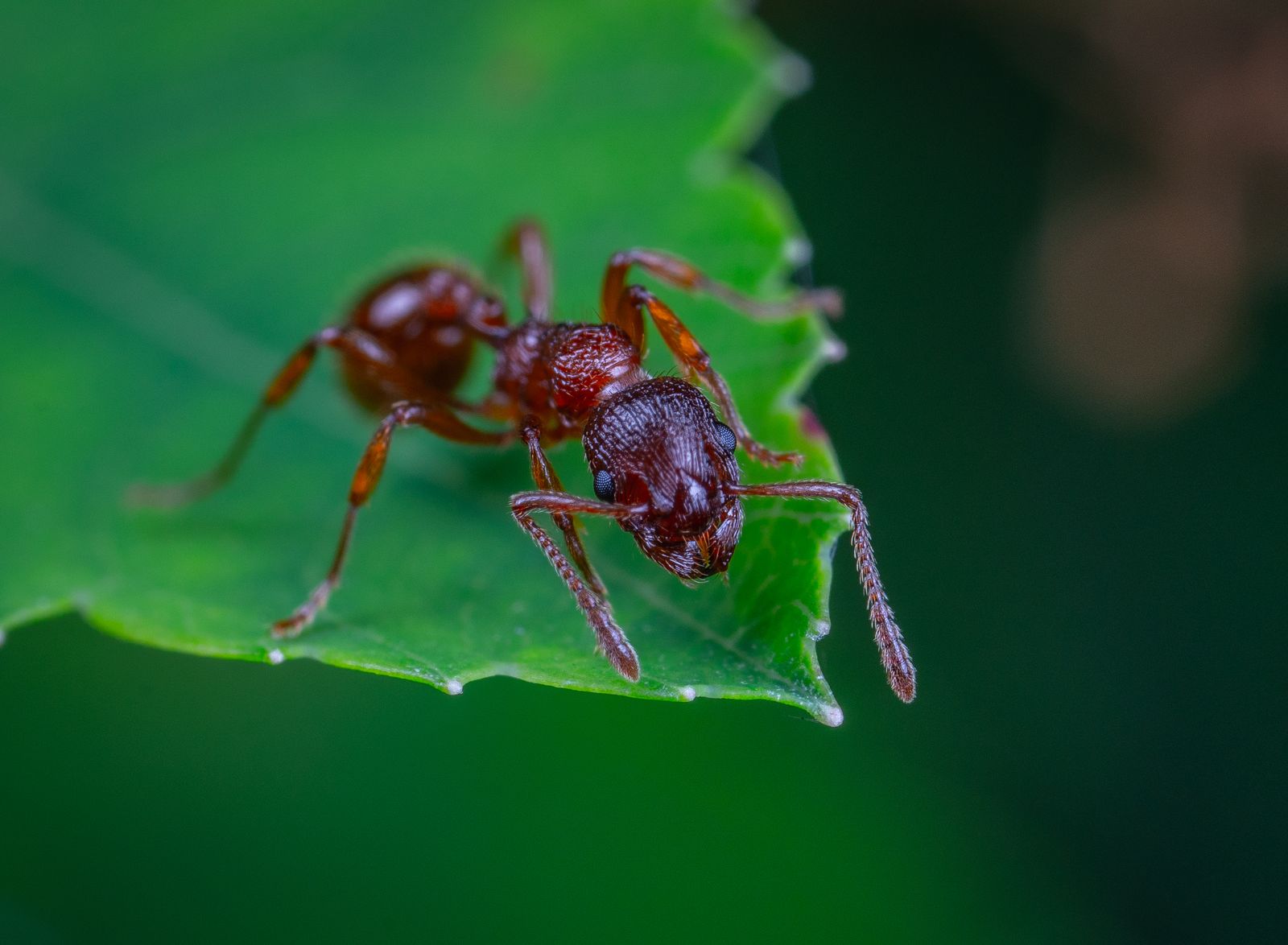
Sugar ants march to sweets; pharaoh and carpenter ants nest inside wall voids and damp wood. Never spray a trail — disturbed colonies split into several new ones. Our technicians identify the species first, then place species-matched baits that foragers carry to the queen.
Mosquitoes, bed bugs and termites
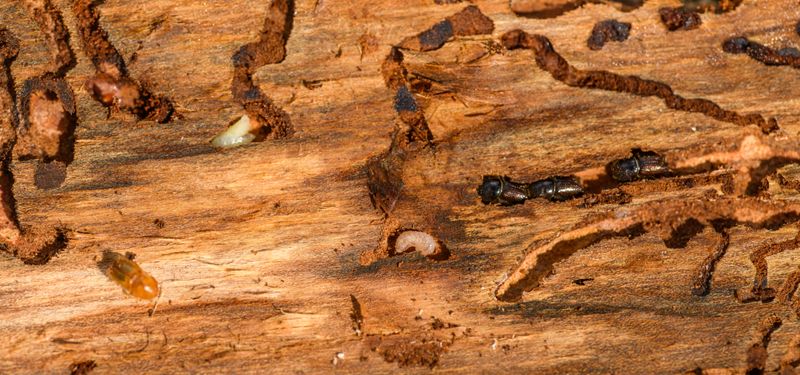
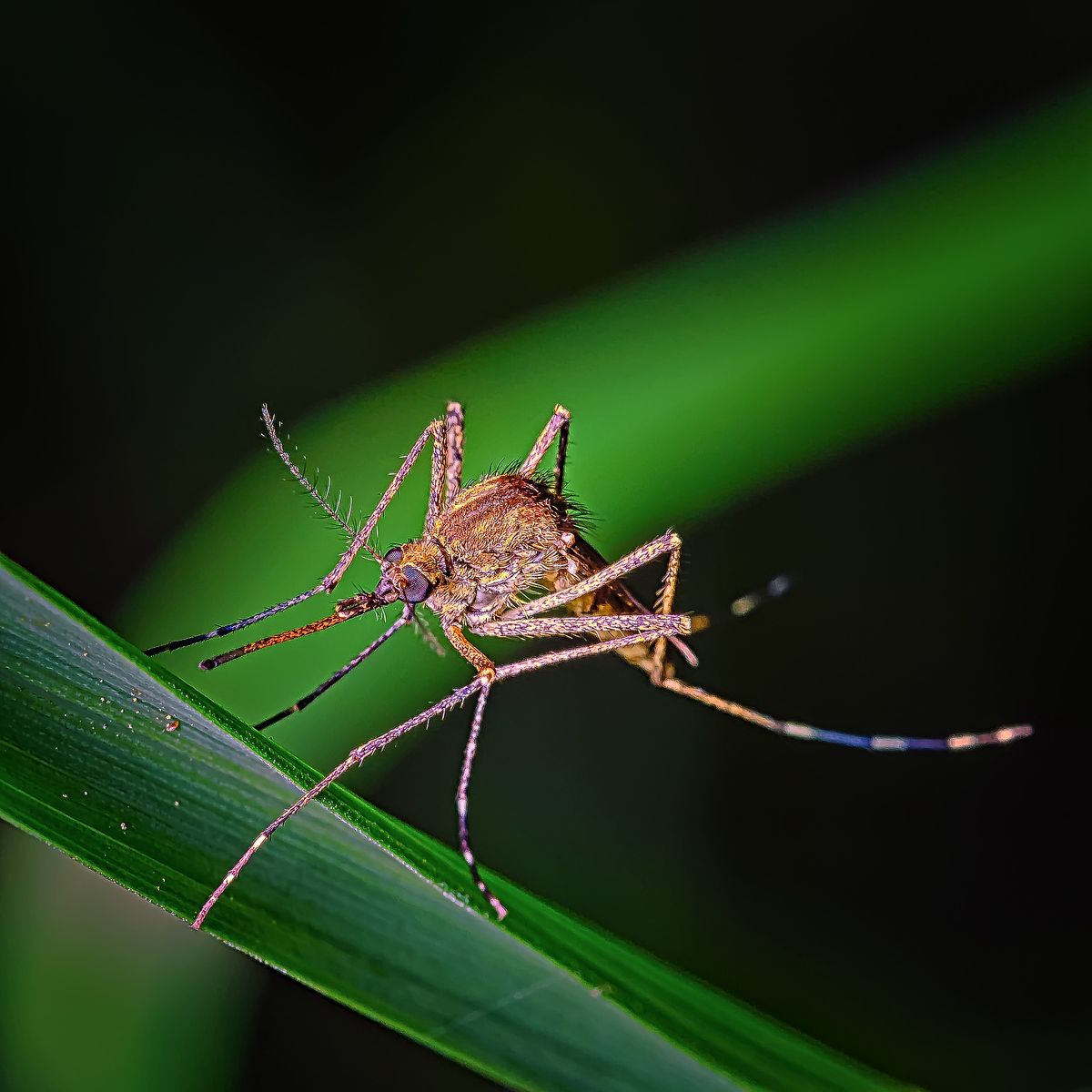
Mosquitoes breed in anything holding still water for a week — cooler trays, saucers, terrace puddles. Empty them weekly and fit window mesh. Bed bugs announce themselves through clustered bites and rust spots on mattress seams; heat treatment clears all life stages in a day. Termites are the silent ones: mud tubes on walls and hollow-sounding door frames mean you need a professional survey, fast.
- Seal dry goods in airtight containers to starve cockroaches and ants.
- Fix leaking taps — moisture draws termites, cockroaches and silverfish alike.
- Fit drain covers and door brush strips to block the two busiest pest highways.
- Declutter storage zones; cardboard stacks are cockroach nurseries.
When to call a professional
If you see pests in daylight (a sign of overcrowding), find mud tubes or droppings daily, or the problem survives two weeks of good housekeeping, book a free inspection. Our 40-point survey identifies the species, the nest and the entry points — and you get a fixed quote on the spot.